An Elul Love Story

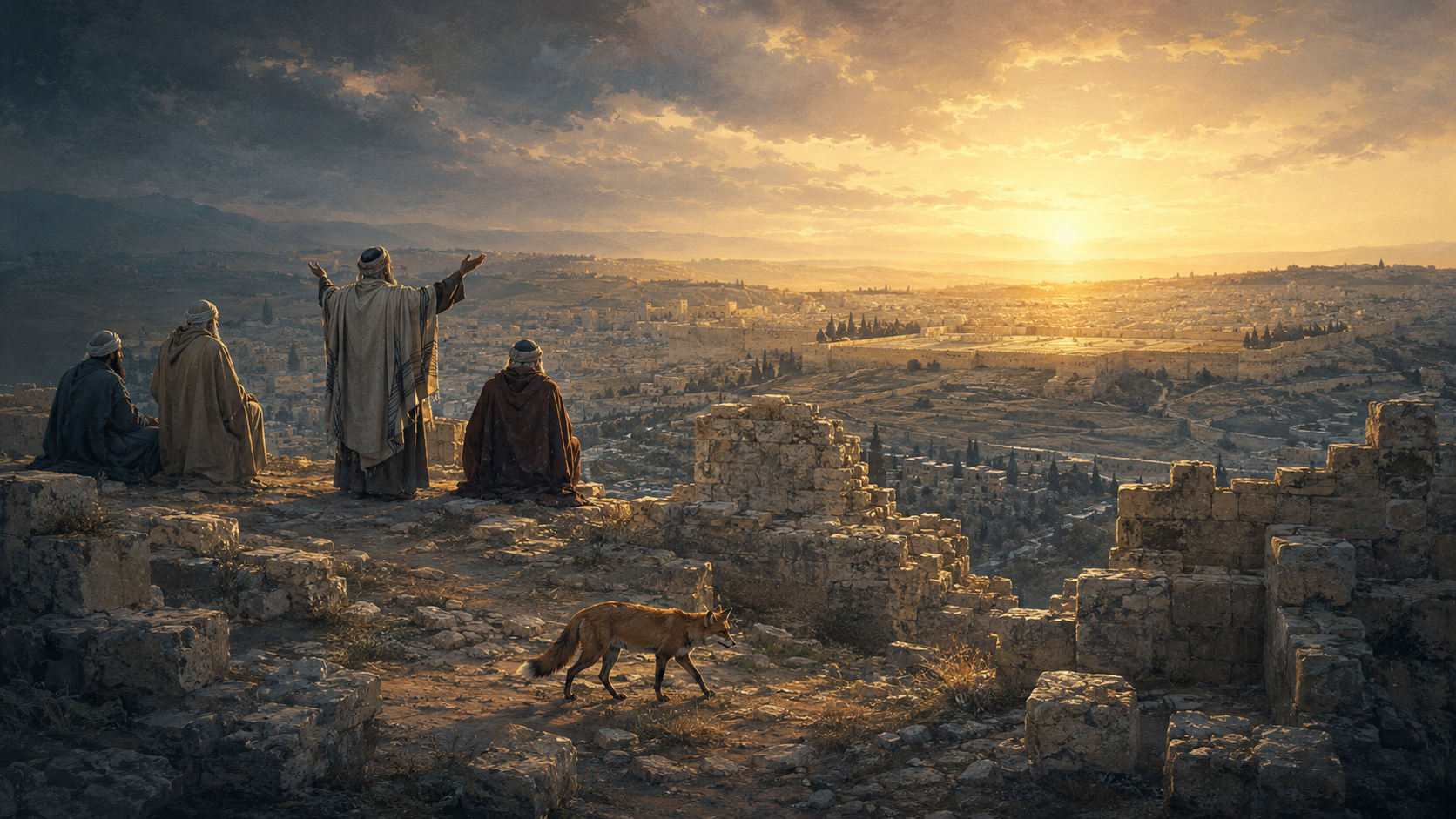
It is spring in the Land of Israel. The rain has stopped, the sun is shining, the birds are chirping and the smell of spring wafts through the air. A young maiden goes out to the vineyards for some fresh air and encounters a handsome-looking shepherd. A conversation ensues, and he promises to meet her again. With a sparkle in her eye, she returns to the city with these words on her lips: "My beloved is for me, and I am for him” (2:16). He will come visit my home, and I will be his.
But day turns to night, and he doesn’t come. She is devastated, looking for him all over the city, “In the marketplaces and in the city squares. I will seek him whom my soul loves; I sought him, but I did not find him” (2:2). She asks the watchmen at the city gates, "Have you seen him whom my soul loves?" (2:3). She implores, “I adjure you, O daughters of Jerusalem, if you find my beloved, what will you tell him? That I am lovesick” (5:8). But everyone mocks her innocent naiveté. “Your beloved isn’t coming; he forgot about you the minute you left.”
Night comes, and she goes to bed, terribly upset and offended. But suddenly, "My beloved is knocking!” (5:2) The shepherd suddenly remembered her. She hesitates; how can she let him in after what he’s done to her? But again he knocks, pleading, "Open for me, my sister, my wife, my dove, my perfect one” (ibid.) She calls back, Don’t you understand? “I have taken off my tunic; how can I put it on? I have bathed my feet; how can I soil them?” (5:3). I’m already in a different place, the relationship is over. We cannot be together. But the shepherd refuses to give up. He “stretches forth his hand from the hole,” he sticks his hand through a hole in the door, attempting to open it from within.
Finally, her emotions are awakened, and she gets up to open the door. But suddenly, he disappears again; she has lost him. But now she decides that instead of waiting for him to come to the city, she will go out to the fields. "I am for my beloved,” and only then, “my beloved is for me.” I must be the one to find him, and then he will follow me.
The well known acronym of the month of Elul and a love line that Jews the world over have used in many a wedding invitation is - Ani Lidodi Vidodi Li, I am for my beloved and my beloved is for me.
The young woman is us, you and I, the Jewish People. The Shepherd is G-d, Hashem.
It's a touching story. It's a story that brings me to tears, wakes up my insides and makes me want to stop fighting. To stop fighting with G-d. To stop fighting with myself. To accept that Hashem really loves me.
It's a story that pulls on my deep inner child and tells me to let go of all the stuff that I've adopted over the years that has soothed my inner child, that have become the shell of my identity, that has framed my interaction with the world.
It tells me to let go and let G-d, fall into the Divine embrace.
And not only because I need it, which I do, but because Hashem, the Shepherd also needs it and is asking for it.
In her podcast interview with Krista Tippett, Esther Perel talks about Erotic Intelligence. She explains that we each have a side of us that is fiercely independent and a side of us that desperately needs connection with our loved one(s).
Understanding this within ourselves, frees us from needing to always protect ourselves and ensure we play the tension game of being wanted and wanting. Being needed and needing. And then we can release the erotic side of us, which as she explains includes anything that makes us feel alive.
This my friend is Teshuva. It's coming back to G-d because we don't want to be seperated any longer.
It's a game changer for this season. It's not a dark or ominous time. It ought not be a time of fear. It ought to be a time of profound connection, an awakening of the deepest parts of ourselves a time of coming back together, transcending our pains and hurts, hurts received and hurts caused.
Let it go and fall into Hashem's embrace, He's waiting for us.
Good Shabbos and Shana Tova!
Continue Reading