The Hidden Light Within the Darkness
These are dark days. I'm not referring to the state of the world. We definitely live in a challenging world, but I choose to look at the bright side of things.
I'm referring to the season of the Jewish calendar in which we now find ourselves.
This time of year is known as the Three Weeks, and beginning Tuesday evening we entered the period known as the Nine Days.
It was during this period that the Roman siege and invasion of Jerusalem reached its climax, culminating in the destruction of both Holy Temples, the First by the Babylonians and the Second by the Romans, on the Ninth of Av.
It is a time when, historically, many tragic events have befallen the Jewish people. Therefore, we commemorate this period by refraining from live music and, during the Nine Days, by avoiding meat and wine except on Shabbat.
The Ninth of Av itself is one of the most solemn fast days of the Jewish calendar. You can find information about our Tisha B'Av programs below, including two inspiring film presentations.
If you know Chabad and are familiar with the Rebbe's worldview, you know that the Rebbe sought to transform much of the negative and pessimistic thinking that can sometimes characterize Jewish history into a perspective of hope and empowerment.
It wasn't Pollyannaish optimism. Rather, it was an invitation to see reality through a different set of lenses.
Regarding the darkness of these days, the Rebbe taught that darkness can be a deeper expression of the hiddenness of the Divine. When light shines, it expresses its source. Generally, we think of darkness as simply the absence of light.
Chassidic philosophy offers a much deeper perspective. Light possesses a certain sense of self. It announces, "Look at me, I come from a source." Even when it faithfully conveys that source, there is still an awareness of itself.
Darkness represents something altogether different. It is not merely the absence of light. Rather, it reflects a Divine presence so overwhelming that everything else fades into insignificance. In that sense, darkness represents the absence, not of G-d, but of self.
That may sound abstract, so let's bring it down to earth.
When we think about darkness, we think about challenges, painful moments, disappointments, and struggle. Yet we also know that some of our greatest growth comes specifically through those very struggles. We emerge stronger, wiser, and more compassionate than before.
How could that be? How could darkness actually produce a better outcome?
Chassidic philosophy teaches that this is because the darkness itself can represent the deepest manifestation of the Divine Presence.
So how do we navigate challenge?
The way we navigate darkness is not by explaining it away, blaming ourselves, or blaming others. We navigate it by allowing ourselves to be fully present within it, even when it is deeply uncomfortable.
When we sit with that discomfort instead of resisting it, we acknowledge that G-d is present even in an experience we cannot yet understand.
The way through darkness is an act of surrender.
Surrender doesn't mean passivity. We still take every action we can to improve our circumstances. What changes is that we stop fighting the emotional reality of the moment through blame, denial, or avoidance.
Ironically, the moment we stop resisting the discomfort, it begins to lose its grip on us.
(Which then poses another challenge: perhaps we've become too comfortable with darkness. But that's a topic for another email.)
So if you are feeling the darkness these days, remember that even within that darkness, G-d is present, inviting you to surrender to Him while continuing to do everything in your power to bring more light into the world.
With blessings for a meaningful Shabbat and the hope that we merit the transformation of these days into days of joy,
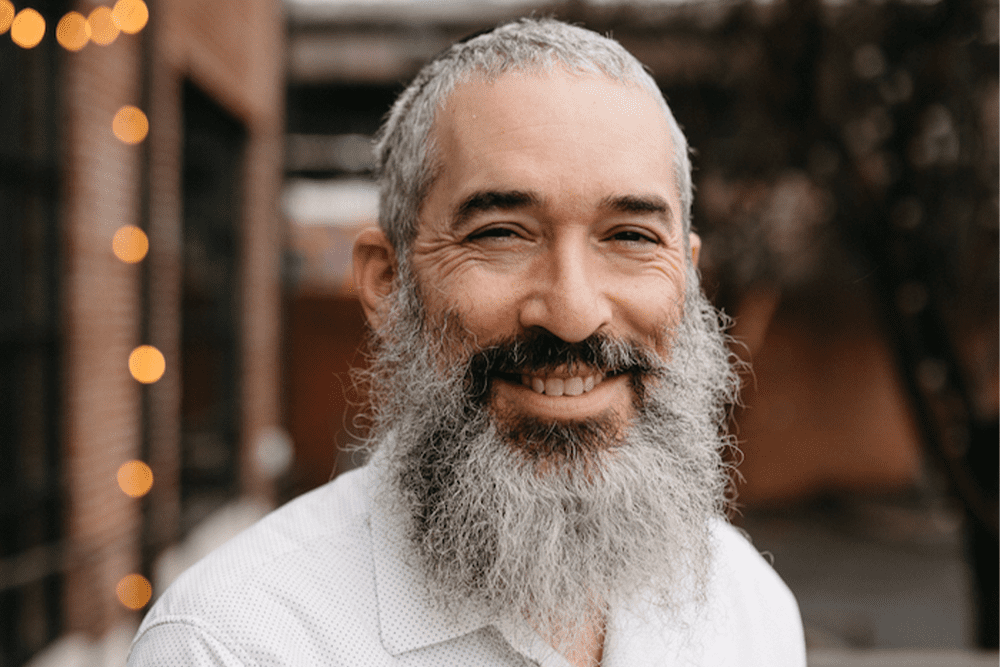
Rabbi Eliyahu Schusterman
P.S. Be sure to check out our Tisha B'Av schedule, including two thought-provoking film presentations: Hidden Light and Holy Smokes!
Continue Reading